
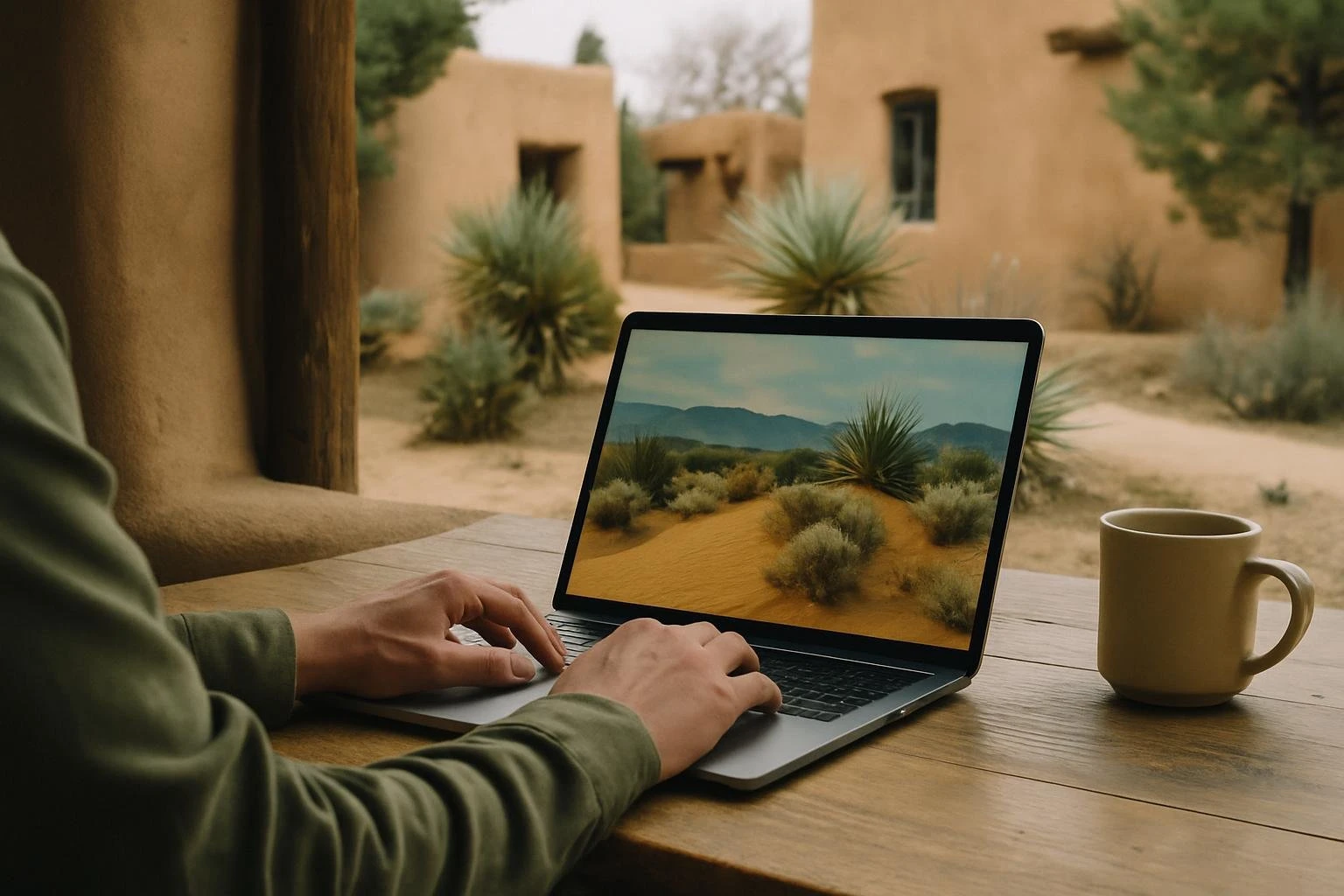
The first time I stood on a dune at dawn near White Sands, the sand was cold under my boots and the air still smelled like nothing. By noon that same spot was blasting heat back at me like an open oven door.
That contrast is the whole story of the desert. It’s an arid biome defined by very low rainfall, and honestly, it surprises people more than any other climate zone on Earth. You expect dry and hot. You don’t expect freezing mornings, hidden wildlife, or a burst of green at an oasis.
Table of Contents
- Quick answer
- How deserts form and why they feel so extreme
- The life hiding in a dry landscape
- Records, size, and staying safe out there
- Key Takeaways
- Frequently asked questions
- What’s next
Quick answer
A desert is a region that gets very little rain, usually under 10 inches a year. That dryness shapes everything: the plants, the animals, the wild temperature swings. If you want to explore one safely, carry way more water than you think you need and start early.
How deserts form and why they feel so extreme
Here’s the part most folks get wrong. They think “desert” automatically means sand and blazing heat. Not always.
Deserts form mainly because moist air never reaches them. Sometimes mountains block the rain. Sometimes the region sits under high-pressure zones where air sinks and dries out. Either way, you end up with an arid climate and hardly any cloud cover.
No clouds means two things. During the day, the sun cooks the ground with nothing to soften it. At night, all that heat escapes straight into the sky, and temperatures can plunge fast. That’s why a desert can hit triple digits at 2pm and leave you shivering by 3am.
There are hot deserts like the Sahara and cold deserts like the Gobi, where winters bring snow. Same low-rainfall rule, totally different feel. That cold-versus-hot split is the one fact that changes how people picture this biome. Sand dunes get all the attention. But plenty of deserts are rocky, gravelly, or cracked clay flats instead, and the dunes you see in photos are just one type of surface, not the default.
The life hiding in a dry landscape
People assume nothing survives out there. Wrong again, and this is my favorite part.
Desert animals and plants are some of the toughest living things on the planet. A cactus stores water in its thick stems and guards it with spines. Mesquite trees send roots down 30, 40 feet to reach buried moisture. The whole community is built around one problem: finding and keeping water.
The animals cheat the heat by hiding from it. Most desert wildlife is nocturnal or active at dawn and dusk. Kangaroo rats can go their entire lives barely drinking, pulling moisture straight from seeds. Rattlesnakes, roadrunners, jackrabbits, fennec foxes with those huge heat-dumping ears. They all wait out midday underground or in shade.
The desert isn’t empty. It’s just discreet.
And then there’s the oasis. When groundwater reaches the surface, you get this pocket of palms and reeds and birds packed into a tiny green spot. It looks impossible surrounded by dry ground, but it’s real, and it’s been keeping travelers and towns alive for thousands of years.
Culturally, that matters more than I can fully explain here. Whole civilizations planned their routes around where water sat. Trade, food, survival, all of it revolved around these scattered wet spots in an otherwise arid world.
Records, size, and staying safe out there
The largest desert on Earth is Antarctica. That throws people off every time, but it barely gets any rain or snow, so it counts. The biggest hot desert is the Sahara, roughly the size of the United States. And the driest place on Earth is the Atacama in Chile, where some spots have gone years without measurable rain.
If you’re heading out, keep it simple. Bring more water than feels reasonable. Tell someone your route. Go early, rest during peak heat, and never rely on finding an oasis. Respect the desert climate and it’ll treat you fine.
Key Takeaways
- A desert is any region with very low rainfall, not just hot sandy places.
- Cold deserts exist too; Antarctica is technically the largest desert on Earth.
- Desert wildlife survives by staying nocturnal and storing water.
- Water is the whole game, both for the ecosystem and for you.
Frequently asked questions
What is a desert and what makes it different from other environments?
A desert is a climate zone with very low precipitation, usually under 10 inches a year. That extreme dryness sets it apart from tropical or subtropical regions, forcing plants and animals to adapt in remarkable ways to survive with almost no water.
What is the biggest desert in the world?
Antarctica is the largest desert on Earth because it receives almost no precipitation, despite being covered in ice. Among hot deserts, the Sahara in North Africa is the biggest, stretching across an area roughly the size of the entire United States.
Why is it so hot in the desert, and what animals live there?
Deserts lack cloud cover, so the sun heats the ground directly by day. Wildlife like kangaroo rats, rattlesnakes, roadrunners, and fennec foxes handle it by staying underground during peak heat and coming out at cooler dawn and dusk hours.
What’s next
Before you plan any trip near arid country, check the forecast. Heat swings out there are no joke, and a five-minute look can save your whole day. Sign up for a live weather report at weather.com so you always know what the sky’s about to do.