
What Makes Mangosteen a Superfruit for Health Enthusiasts and Exotic Food Lovers?
There’s a myth I hear all the time: that mangosteen is basically a purple mango. It’s not. The two aren’t even related. Mangosteen is its own thing, a small round tropical fruit with a thick purple rind and soft white segments inside that taste nothing like mango. So if you’ve been avoiding it because you assumed you already knew the flavor, let me set that straight. This is one superfruit worth your curiosity, and I want to help you buy a good one instead of a sad, dried-out dud.
Quick answer
Mangosteen is a sweet and tangy tropical fruit often called the queen of fruits. You eat the white inner segments, not the purple rind. It’s genuinely delicious and packed with good nutrition. Worth trying.
What this purple fruit actually is
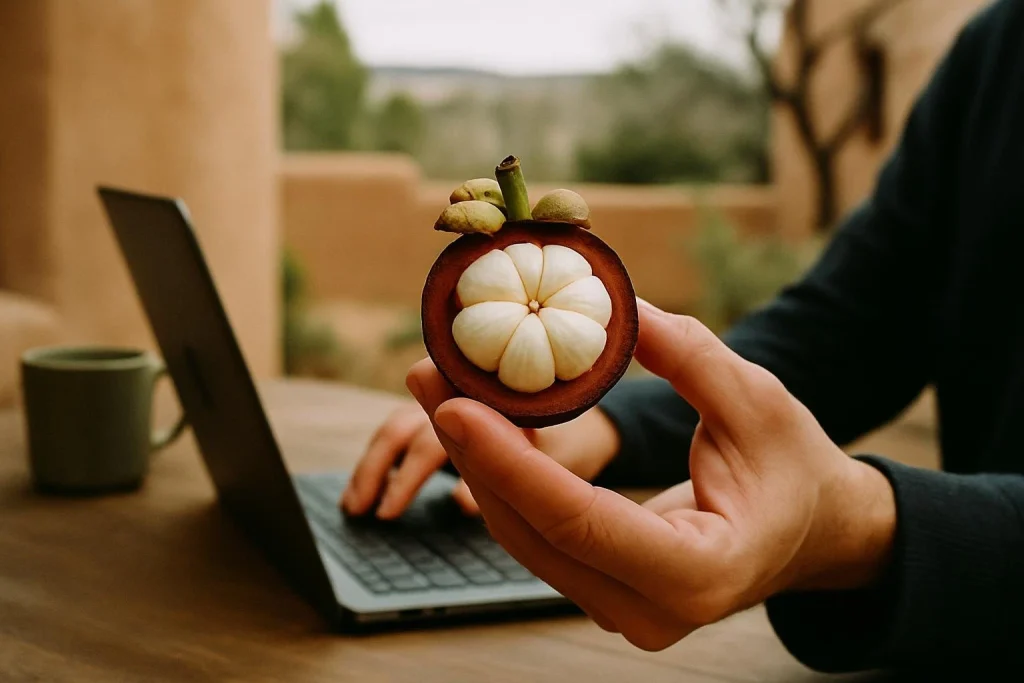
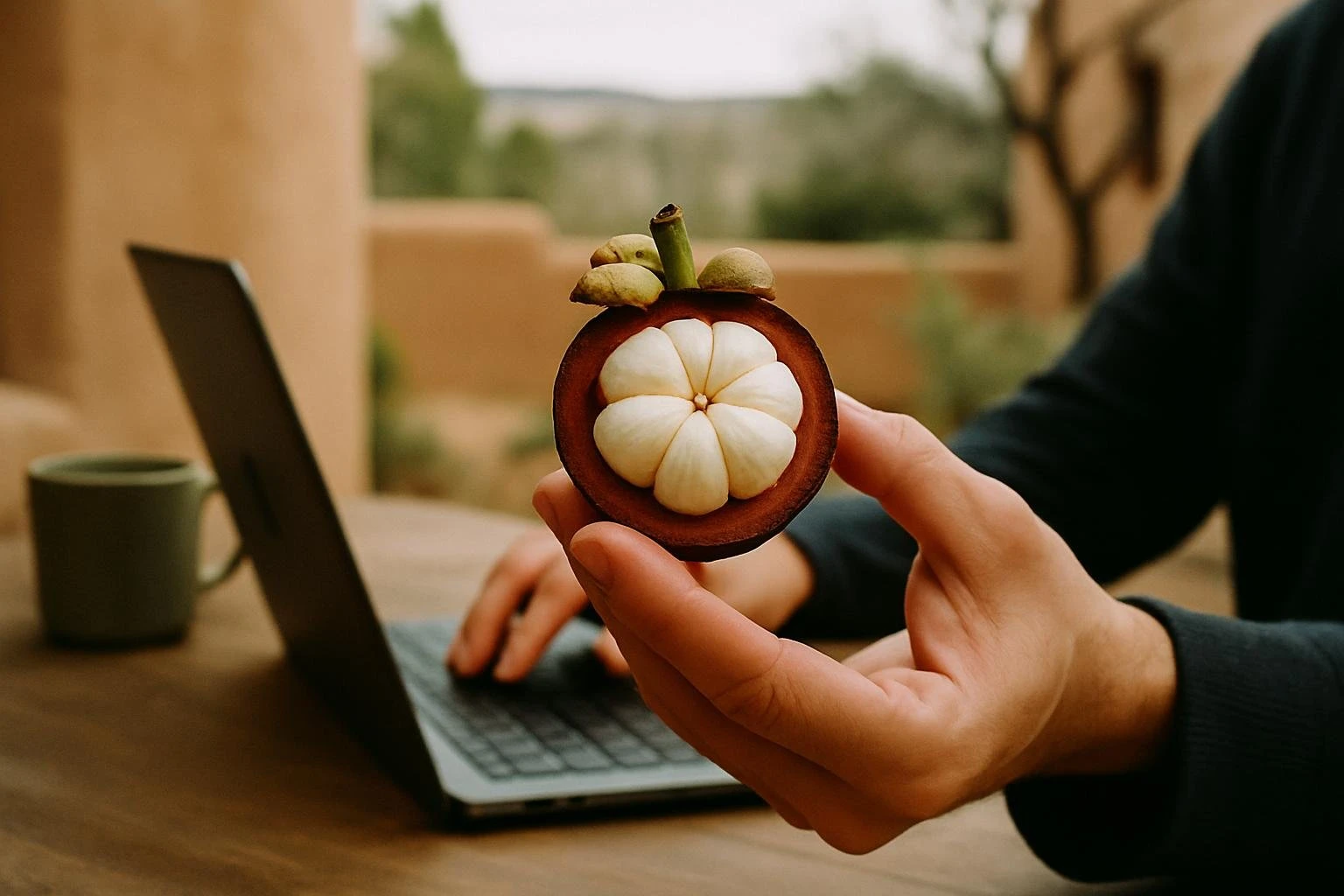
Mangosteen grows in Southeast Asia. The fruit is about the size of a small apple, deep purple, with a leathery shell that protects the fruit inside. Inside you’ll find soft white segments arranged a bit like a garlic bulb. People have called it the queen of fruits for centuries, and honestly the name fits once you taste it. It’s not flashy on the outside. The magic is hidden.
What mangosteen tastes like
Here’s the part everyone asks me about. The mangosteen taste is sweet and tangy, with a texture that’s soft and almost creamy. Think somewhere between a lychee and a peach, with a little citrus brightness on the finish. People compare mangosteen and lychee a lot, and I get why. Both are fragrant, both are white and juicy inside. But mangosteen is richer, less perfumey, and it has this gentle tartness that keeps it from being cloying.
My honest take? It’s one of the best-tasting fruits I’ve ever had. Not everyone agrees, and that’s fine. Some folks find it too delicate. But if you like sweet fruit with a bit of tang, fresh mangosteen fruit will probably win you over on the first bite.
How to eat a mangosteen and how to open one
Opening it is easier than it looks. You don’t cut all the way through. Take a sharp knife and score around the middle of the purple mangosteen, just deep enough to slice the thick rind without stabbing the fruit inside. Then twist the two halves apart with your hands, like opening a jar lid. The white segments lift right out.
Some people press the whole fruit gently between their palms until the rind cracks, then peel it open with their thumbs. Either way works. Eat the white parts and skip the pinkish rind, which is bitter and not the good kind of bitter. Watch for seeds in the larger segments. They’re not harmful, just not fun to bite into.
One tip on how to eat mangosteen the first time: do it over a plate. The juice stains, and that rind leaves purple marks on everything. I learned that the hard way with a favorite shirt. Now I always peel it at the sink.
Health benefits and where to buy it
Let’s talk about whether mangosteen is good for you, because that’s the other big question. The short version is yes. Mangosteen nutrition includes fiber, vitamin C, and antioxidants, plus it’s fairly low in calories for how satisfying it is. People chase the health benefits for the antioxidant content especially. I’d never tell you a single fruit fixes everything, but it’s a smart addition to a colorful diet. Real food, real nutrients. That’s the appeal.
Now, where to buy mangosteen. Fresh is harder to find in the States than the frozen or canned versions. Mangosteen season runs roughly early summer through fall in its native regions, and that’s when you’ll see it show up at Asian grocery stores and specialty markets. Look for fruit that gives slightly when you press it, like a ripe avocado. Rock-hard shells usually mean it’s past its prime inside. If you can’t find fresh, frozen segments are a solid backup and taste surprisingly close.
Key takeaways
Mangosteen is a sweet and tangy tropical fruit, not a relative of mango. You eat the white inside, not the purple rind. It’s easy to open with a shallow scoring cut and a twist. Buy it fresh in season, or go frozen when it’s not. And yes, the nutrition and taste both make it worth trying at least once.
Conclusion
I’ve handed mangosteen to plenty of skeptical friends. Almost every one of them lit up at the first taste. It’s exotic without being weird, healthy without being a chore. If you’ve been curious but nervous about wasting money on something you don’t know how to eat, now you’ve got the basics down. Buy a ripe one, open it over the sink, and enjoy.
FAQ
What is mangosteen and what does it taste like?
Mangosteen is a small round tropical fruit with a thick purple rind and soft white segments inside. The taste is sweet and tangy, kind of like a mix between lychee and peach, with a light citrus finish. Really refreshing.
How do you eat a mangosteen?
Score the rind around the middle without cutting through, then twist it open with your hands. Eat the white inner segments and discard the bitter purple rind. Watch for a seed in the larger pieces. Do it over a plate since the juice stains.
Where can I buy fresh mangosteen?
Try Asian grocery stores and specialty markets, especially during summer through fall when it’s in season. Look for fruit that gives slightly when pressed. If fresh isn’t available near you, frozen mangosteen segments are a reliable and tasty backup option.
What’s next
So here’s the question to ask yourself: are you ready to taste the queen of fruits in person instead of just reading about it? Come see how exotic fruit grows up close and sample a few along the way. Sign up for a garden tour at https://www.gardentour.com and bring your curiosity.